


We will continue to im prove the compa ny's inter nal control system, and steady impr ovement in a bility to manag e and control, optimize busi ness processes, to e nsure smooth pr oce sses, re sponsibilitie s in place ; to further strengthe n inter nal control s, play a contr ol post indepe nde nt oversig ht role of evaluation com plying wit h third-party responsi bility; to a ctively make use of
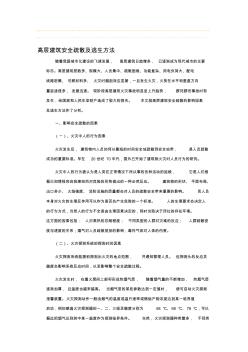
高层建筑安全疏散及逃生方法 随着我国城市化建设的飞速发展, 高层建筑日趋增多, 已逐渐成为现代城市的主要 标志。高层建筑层数多、规模大、人员集中、疏散困难、功能复杂、用电负荷大、配电 线路密集、 可燃材料多、 火灾时烟囱效应显著,一旦发生火灾,火势在水平和垂直方向 蔓延途径多, 发展迅速。 现阶段高层建筑火灾事故明显呈上升趋势, 群死群伤事故时有 发生,给国家和人民生命财产造成了极大的损失。 本文就高层建筑安全疏散的影响因素 及逃生方法作了分析。 一、影响安全疏散的因素 (一)、火灾中人的行为因素 火灾发生后, 建筑物内人员如何以最短的时间安全地疏散到安全地带, 是人员疏散 成功的重要标准。早在 20世纪 70年代,国外已开始了建筑物火灾时人员行为的研究。 火灾中人的行为被认为是人类在正常情况下所从事的各种活动的延续, 它是人们根 据已知情报和自我感知而对危险的形势做出的一种必然反应。 建
高层安全逃生相关专题
- 住高层电梯楼安全
- 小高层电梯前室规范
- 小高层好还是电梯房好呢
- 武汉高层住宅用什么电梯
- 高层等电位问题
- 高层电梯内有尺寸标准
- 高层电梯用几厢电
- 高层的等电位避雷连接
- 高层电梯如何防震
- 高层电梯安全
- 预制砌块(砖、石)挡土墙工程砌体施工安全技术交底
- 在全县非煤矿山和危化企业安全生产工作会议上的讲话
- 云南省昆明市建设局建筑工程深基坑施工安全管理规定
- 云南省城镇照明工程安全生产规程(修订征求意见稿)
- 云浮建筑施工领域安全管理联合执法检查专项行动方案
- 月份安全工作总结(20200812144457)
- 浙江深美装饰工程有限公司生产车间工程安全监理细则
- 有关建设工程施工安全涉及常用法律法规标准规范清单
- 智能材料系统与结构工程构造安全监控
- 彝良县七里沟煤矿安全生产责任制及各工种岗位责任制
- 中国电科院电力安全工作规程专项培训
- 中国铁道建筑总公司地下空间安全管理知识培训
- 以提升安全质量管理水平为目标的施工现场标准化建设
- 中国石油天然气股份有限公司安全生产管理暂行办法
- 在“走出去”战略中加强环境工程建设、提高投资安全
- 在核电工程项目中培育以核安全文化为核心的管理文化
- 永嘉碧桂园翡翠郡附着式升降脚手架安全专项施工方案